Discovery / Wineries / People in Wine / Greg Graziano & the Family of Wines
Wineries & People · Follow your curiosity
Greg Graziano & the Family of Wines
From Mendocino vineyards planted in 1918 to a family of labels, Greg Graziano connects Italian heritage, Californian sites and a willingness to keep experimenting.

A little acquaintance, at a glance.
- The people
- Greg · Trudi · Alexandra & team
- Family roots
- Mendocino vineyards · 1918
- Own wine business
- Greg & Trudi · 1988
- Explore
- Saint Gregory · Monte Volpe · Enotria · Graziano
A family vineyard story before a wine label
The Graziano family’s Mendocino roots reach back to Vincenzo Graziano and his family, whose first local vineyards were planted in 1918. Their account follows grape growing through Prohibition, when sales to home winemakers helped sustain the business, and into later winery ventures.
Greg’s father Joseph continued the vineyard work. Greg represents the next generation, while Alexandra carries the growing and winemaking connection forward. This is a family story with several contributors, rather than a label that appeared without a vineyard past.
Greg’s route through the vineyard and cellar
Greg worked in the family’s Redwood Valley vineyards, studied viticulture and enology at UC Davis and gained cellar experience at Cresta Blanca. He became a founding partner and winemaker at Milano in Hopland in 1976, then winemaker at La Crema in 1986.
Greg and Trudi established their own wine business in 1988. The names that followed reflect different interests, with Mendocino providing a Californian home for grapes associated with several European traditions. Their first Hopland tasting room opened in 1999; that visiting address should be kept separate from the origin of each wine.
Four labels, several directions
| Label | Its place in the family account |
|---|---|
| Saint Gregory | Burgundian-inspired wines, including the Chardonnay and Pinot Noir conversation. |
| Monte Volpe | Central and southern Italian grape connections. |
| Enotria | Piedmont-inspired varieties; added in 1997. |
| Graziano | The label introduced in 2001 for Mendocino connections including Zinfandel, Petite Sirah, Carignane, Sauvignon Blanc and Chenin Blanc. |
These label identities help organise discovery; the actual bottle’s grapes, vineyard origin and vintage still matter. A California wine made from an Italian variety remains a wine of its stated California origin.
Italian heritage becomes a vineyard experiment
The producer’s vineyard account describes its Vincenzo property in Calpella and the Nube Bianco vineyard in Potter Valley. Established grapes sit alongside trials of other Italian varieties. The question is practical: how do these vines grow and ripen in a particular Mendocino site?
Barbera, Sangiovese, Nebbiolo and other varieties connect this family story with our Italian grape guides. The vineyard account also names experimental plantings such as Aglianico and Ribolla Gialla. A trial planting is not proof that every variety is available as a current commercial bottling.
Keep the geography precise too. Redwood Valley is part of Greg’s background, while the family’s wider vineyard story ranges across Mendocino County. A family association with one valley does not establish the appellation of every wine.
The family and the wider team
The winery’s team page identifies Trudi’s compliance and events work and Alexandra’s winemaking and grape-growing role, alongside cellar and vineyard colleagues. Those contributions connect the continuity of a family business with the daily work required to make and deliver wine.
For a useful introduction, choose a bottle from one label, find its exact grape and origin, and follow that back to the vineyard information. Then compare another label rather than assuming the family name supplies one uniform style.
Inside the winery
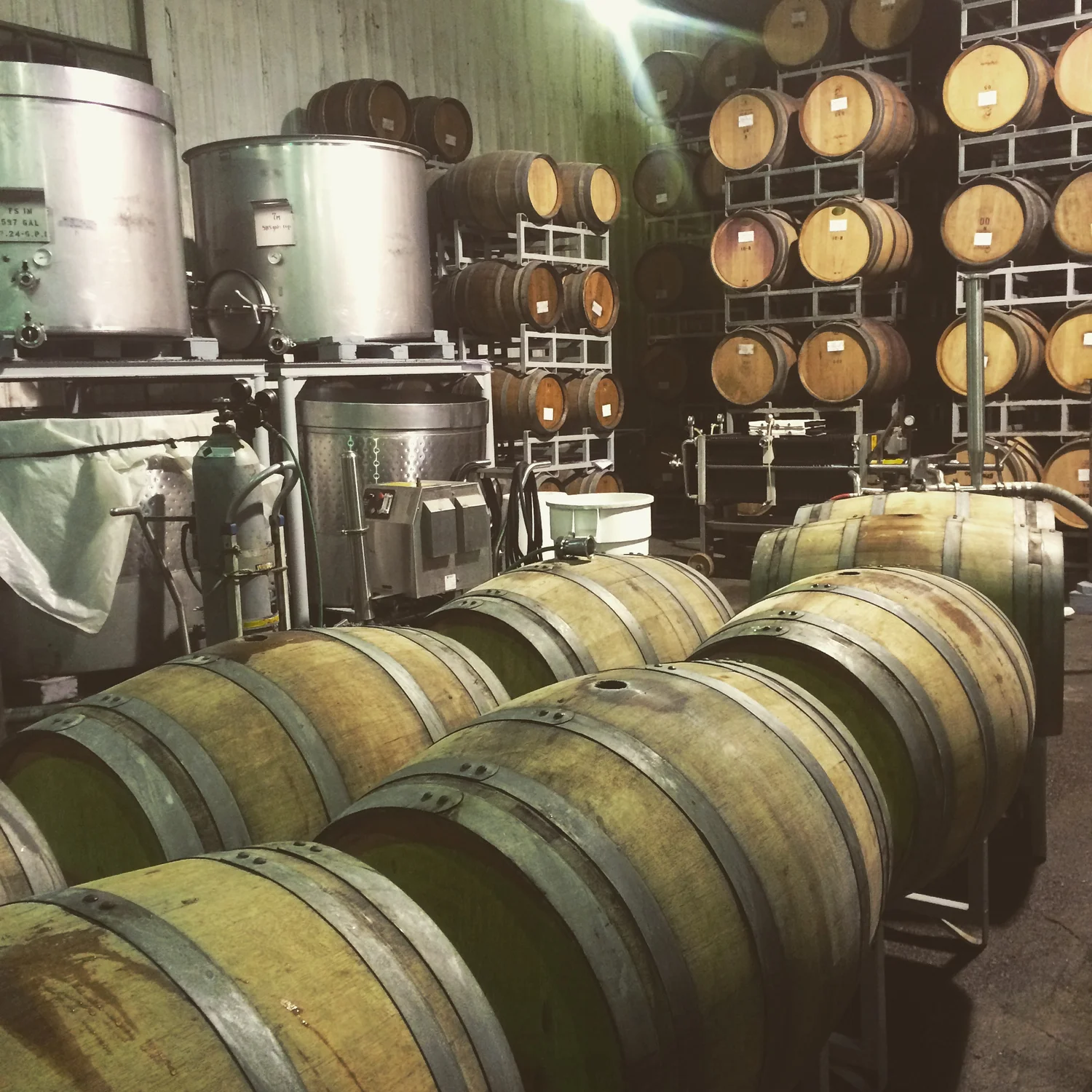
The cellar offers another set of questions: which components were kept separate, what vessels were used, and what was assembled before bottling? Blending Wine includes combinations of different lots of the same grape as well as mixtures of varieties.
A small Cork Dork discovery
Give your curiosity a little room.
Choose two wines from different Graziano family labels. Write down grape composition, vintage, vineyard origin and disclosed cellar choices. Locate the vineyard and the Hopland tasting room separately; notice how the family connects them without making them the same place.
Your observations, your words. Small pours welcome.
A few questions worth uncorking.
Are the four labels four grape varieties?
No. They organise different parts of the family’s wine range.
Does an Italian grape make the wine Italian?
No. The growing origin and applicable label identify where the wine comes from.
Is every experimental planting a wine I can buy?
No. Trials explore growing and ripening; current commercial releases need to be checked separately.
Where shall we wander next?
Mendocino County →Redwood Valley →Anderson Valley →Barbera →Sangiovese →Nebbiolo →Carignan / Carignane →Chenin Blanc Wines →Behind this introduction
Editorial sources checked 25 October 2026. Composition, production rules and cellar practices can vary by appellation, producer and vintage. The producer’s notes are the place to check a particular bottle.